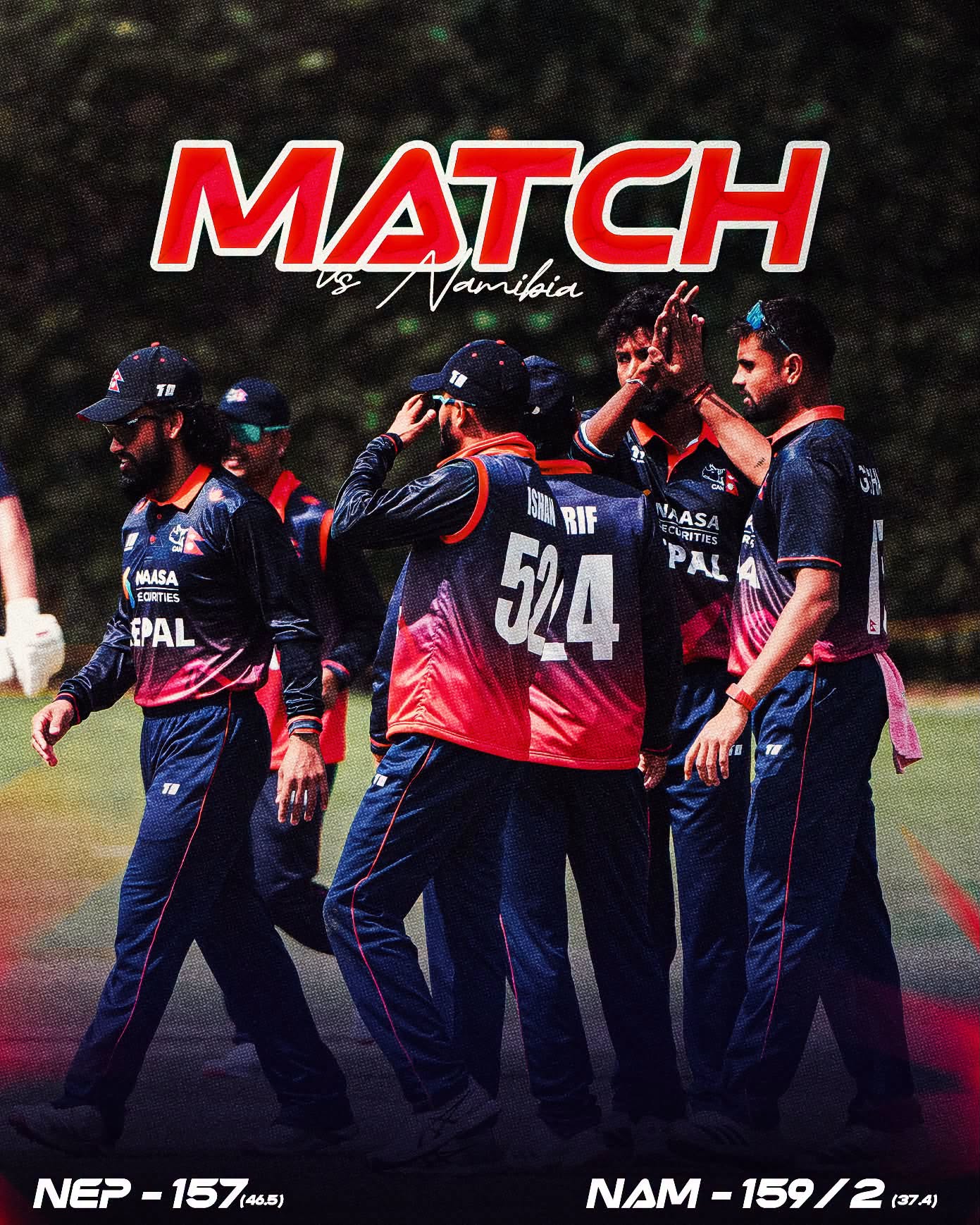
Cricket in Nepal has never been just a sport—it’s an emotion. From packed stadiums to millions watching from home, the passion is undeniable. But while the players continue to punch above their weight internationally, the system behind them still struggles to keep up.
As the country looks toward forming a new government, there is a growing hope among fans and stakeholders that this moment could finally bring long-overdue structural reforms to Nepal cricket.
Ownership and Control of Grounds: A Basic Necessity
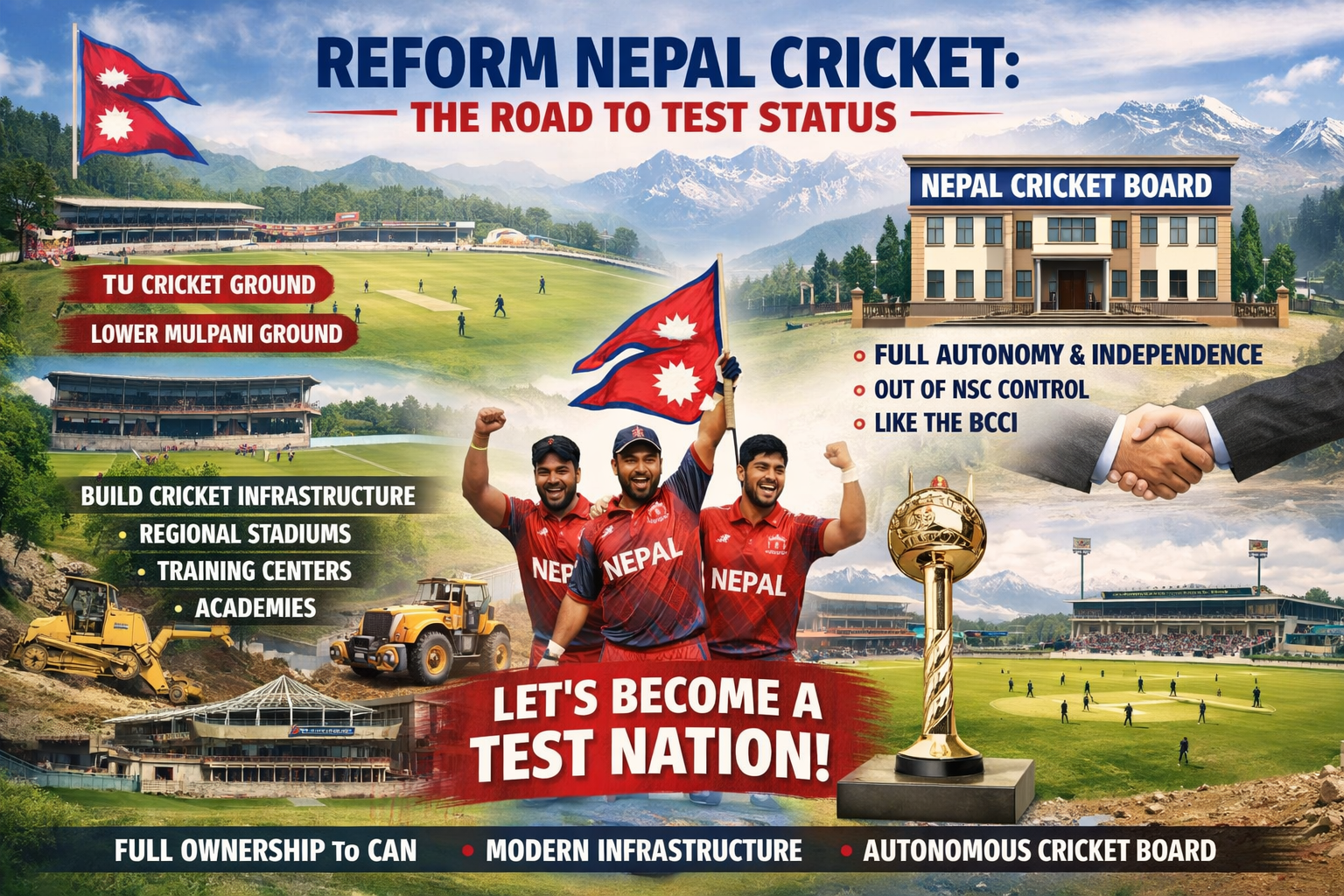
One of the most urgent demands is clear: give full ownership and permanent management rights of key cricket venues to the Cricket Association of Nepal.
This includes the iconic Tribhuvan University International Cricket Ground (TU Ground) and the developing Lower Mulpani Cricket Ground.
Right now, the lack of direct control over these venues creates constant uncertainty. Scheduling matches, upgrading facilities, and long-term planning all become complicated when the governing body doesn’t fully own or manage its own grounds.
If CAN is to operate professionally and efficiently, it needs full authority over its primary infrastructure—just like top cricketing nations do.
Infrastructure: The Backbone of Growth
Nepal’s cricketing success has come largely from raw talent and passion. But talent alone isn’t enough to sustain growth at the highest level.
The new government must actively support CAN in building cricket infrastructure across the country:
- Regional stadiums
- High-performance training centers
- Indoor practice facilities
- Grassroots academies
Without these, the pipeline of future stars will remain limited, and player development will continue to rely on luck rather than structure.
The Bigger Reform: An Autonomous Cricket Board
Perhaps the most important reform being discussed is the formation of a fully autonomous Nepal Cricket Board—similar to the Board of Control for Cricket in India.
Currently, CAN operates under the National Sports Council, which often brings bureaucratic delays and limits independent decision-making.
For Nepal to truly grow in world cricket, its governing body must:
- Operate independently
- Make quick strategic decisions
- Manage finances transparently
- Plan long-term without political interference
An autonomous structure would allow cricket to be run by cricket professionals—not constrained by administrative red tape.
The Dream: Becoming a Test Nation
All these demands ultimately point toward one goal—Nepal becoming a Test-playing nation.
It’s a dream that no longer feels unrealistic. Nepal has already shown its potential on the international stage. What’s missing is not talent, but structure.
With:
- Proper infrastructure
- Full control of cricketing venues
- An independent governing body
Nepal can build a system strong enough to compete consistently at the highest level.
Final Thoughts
This is a critical moment. A new government brings a chance to reset priorities and invest in what truly matters.
Cricket has already united the country in ways few things can. Now, it’s time for leadership to match that passion with action.
Because if the right decisions are made today, the dream of seeing Nepal play Test cricket won’t just remain a dream—it will become reality.